7 Fascinating Shark Facts You’ve Probably Never Heard
Posted by Mikayla Blair on 20th Jul 2026
Whether you’re absolutely terrified of sharks or are in awe of these predators of the sea, there’s no denying they’re a mysterious and fascinating species. They’re one of the world’s oldest residents, even predating dinosaurs, so there are more than a few jaw-dropping factoids about these creatures that are worth exploring.
In honor of Shark Week this year, we’ve put together a list of some of the most interesting and little-known shark facts we could surface. So, whether you’re a shark buff or a total newbie, here are seven things about sharks you’ve probably never heard before.
Let’s dive in.
A Shark Can Go Through Up To 30,000 Teeth in a Lifetime
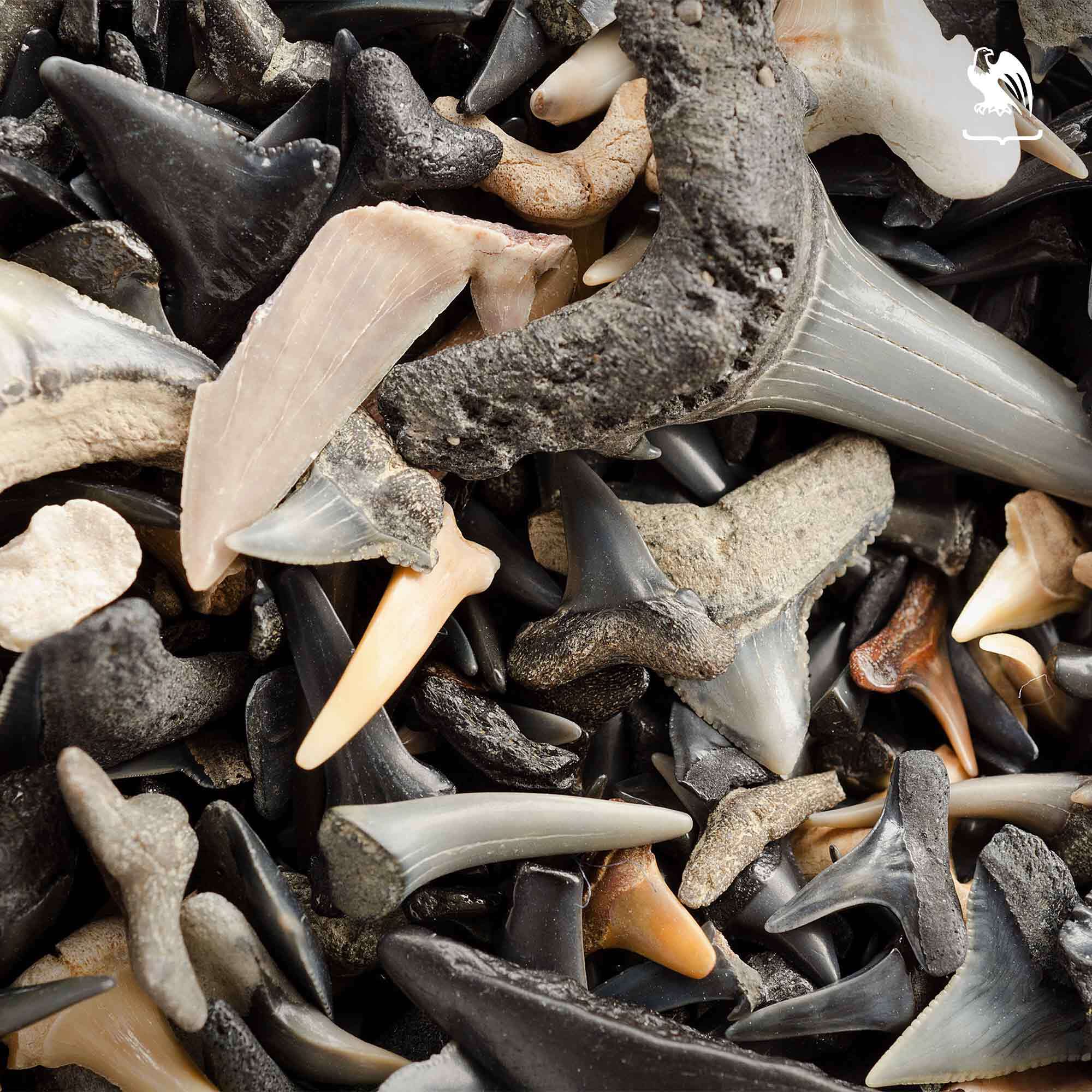
We all know that sharks have a lot of teeth. Very sharp, very scary-looking teeth. It’s probably what they’re best known for (besides that telltale fin!). But did you know that sharks have to replace these teeth all the time? According to the Natural History Museum, some sharks lose their teeth every few months, while others lose them as often as every couple of weeks. Some species go through up to 30,000 teeth in a lifetime.
So why don’t we ever see a shark with a gap in its smile?
Unlike most mammals, sharks actually have several rows of teeth—up to 10, even. They may lose one, two, or an entire row of their front teeth at a time, with a whole new set behind them ready to take their place. They have an endless supply, so don’t feel bad if you’re lucky enough to snag one off the beach!
A Nurse Shark Has the Suction Power of Over 10 Vacuums
Nurse sharks, widely known for being the only sharks that don’t need to keep moving to breathe, are bottom dwellers that feed on fish, crustaceans, and cephalopods. They spend their nights cruising the ocean floor looking for prey that they suck up into their mouths like a vacuum, sometimes even slurping creatures right out of their shells.
This method of feeding is so effective because of the sheer suction force these remarkable sharks have. In fact, according to OceanHero, nurse sharks have the suction power of around 43 pounds of pressure per square inch—or the same as about 10 vacuum cleaners!
Nurse sharks may be terrifying if you’re a crustacean, but they’re pretty harmless to humans. While they will bite if provoked, they’re generally docile creatures that spend their days lazing about the ocean floor. And even if one did bite you, it would be a relatively minor injury. Their serrated teeth may be sharp, but they’re very small and designed for chomping through shells, not people.
Greenland Sharks May Live Over 500 Years
Not only are sharks an ancient species, but some of them live an extremely long time. The Greenland shark, one of the largest in the ocean, is believed to live for hundreds of years. In fact, scientists have used carbon dating to estimate that these sharks can live to be at least 270 years old, and possibly up to 500 years old. That’s older than the United States.
How is this possible?
According to the National Ocean Service, researchers theorize that Greenland sharks can survive for so long thanks to their incredibly slow metabolism, something they need to live in the cold, deep waters of the North Atlantic and Arctic oceans year-round. No matter how they do it, their lengthy lifespan earns them the title of the longest-lived vertebrate.
Port Jackson Sharks Lay Spiral-shaped Eggs
Sharks are unique in that, unlike many species, they don’t all reproduce the same way. Some sharks give live birth, while others lay eggs. And even among those that lay eggs, they all do it a little differently. Perhaps one of the most interesting of the egg-layers is the Port Jackson shark, a bottom-dweller that lives around Australia.
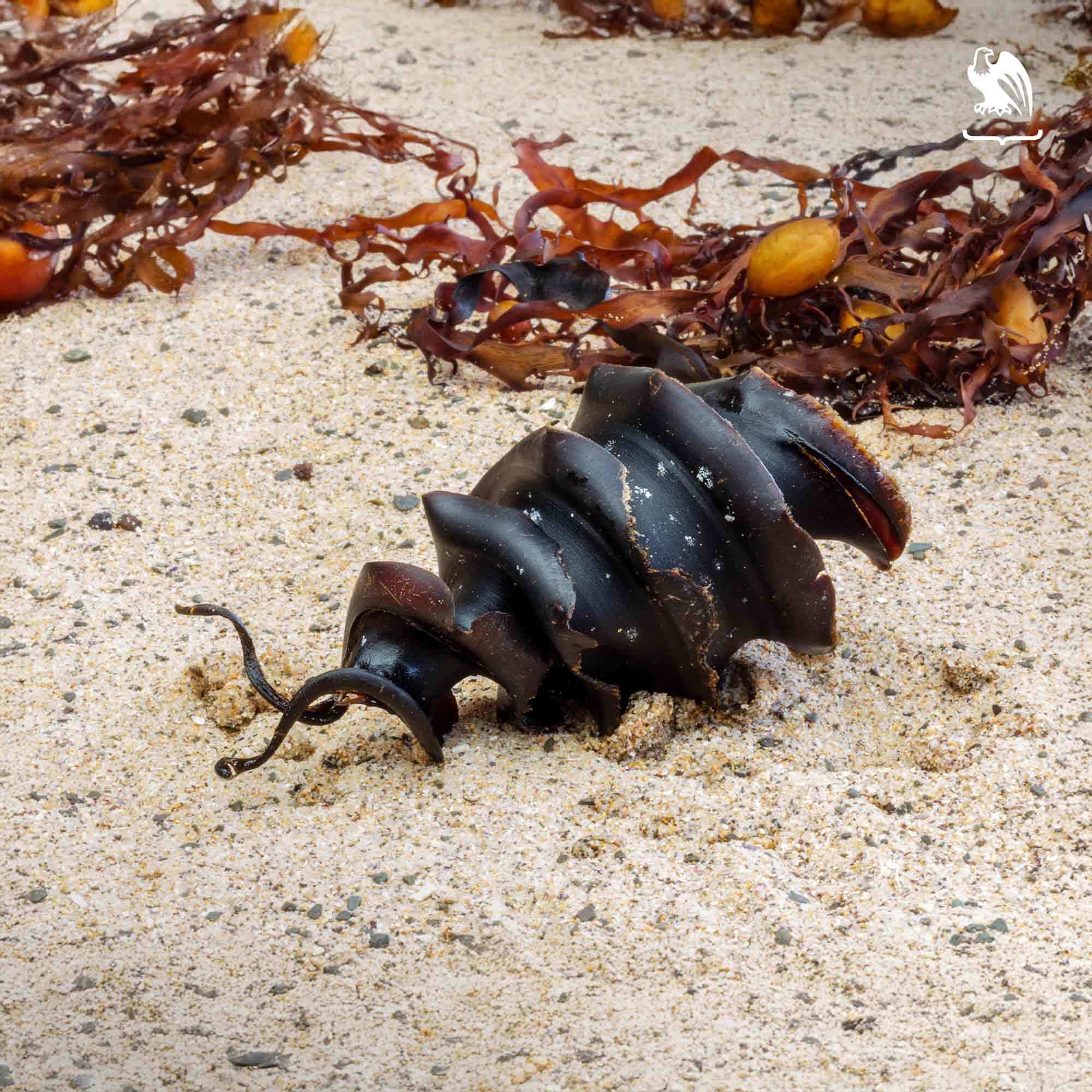
These sharks lay strange, spiral-shaped—almost drill-like—eggs. But this shape isn’t aesthetic. According to the Australian Geographic, a mother Port Jackson shark will pick up these eggs with her mouth and “screw” them into various nooks and crannies on the ocean floor to keep them from washing away.
Ironically, despite this extra step, these shells are some of the most likely to be found washed up on the shore after the pups have hatched, since they’re usually laid in shallow waters. That’s a pretty cool find!
Epaulette Sharks Can ‘Walk’ on Land
Of all the fun facts about sharks, this may be the funnest. There is a species of shark that can use its fins to actually walk on land. ?The epaulette shark, which is most commonly found in and around the Great Barrier Reef, has the unique ability to use its pectoral and pelvic fins to “walk” or crawl along the ocean floor, the reefs, and, when the water is low, on land between tide pools.
How, you may ask? Well, according to the Oceanic Society, their fins have a greater range of motion than other sharks, and they can survive very low amounts of oxygen in their system. So, when the tide is low, epaulette sharks flop their little bodies out of the water and walk from tide pool to tide pool in search of prey. But even underwater, although they are perfectly capable of swimming in the traditional sense, these little sharks can be seen scootching along the ocean floor. Show-offs!
Whale Sharks Can Carry Over 300 Pups, But We’ve Never Seen One Give Birth
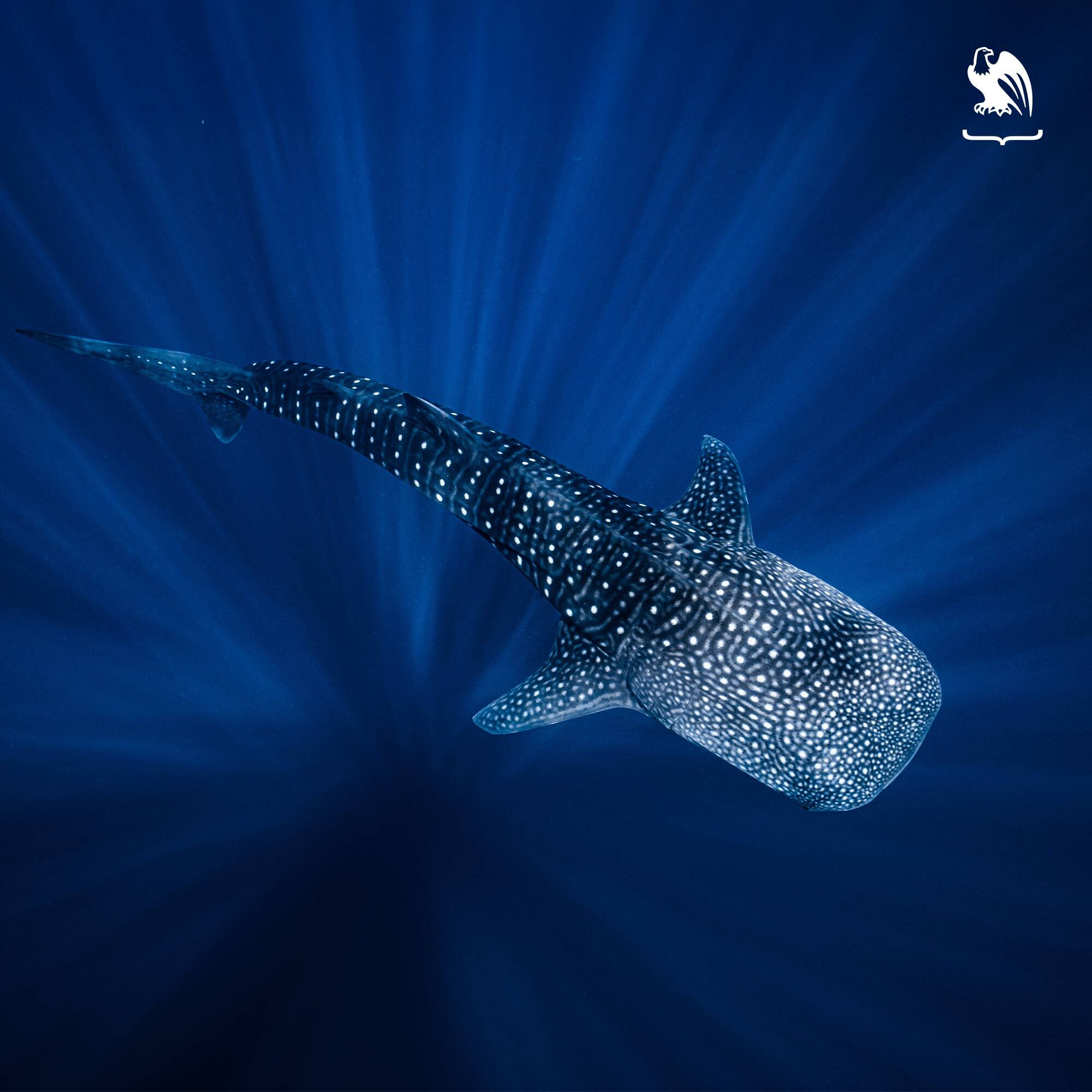
The ocean is full of mysteries. And one of the most compelling has always been the gentle giant of the shark family: the whale shark. The way these docile sharks reproduce is something researchers have been trying to understand for years. And although by now they’ve found a few clues, no human has ever seen one give birth, leaving more than a few question marks lingering around this process.
According to an article published by The Guardian, a pregnant whale shark has been found with over 300 pups inside. That’s a lot of babies! What’s even more fascinating is that these pups were in different stages of development, even though tests revealed that they all came from the same father, causing scientists to theorize that these sharks mate once and store the sperm to use over time.
While these theories are great and all, we still know very little about these sharks. We don’t know how or where they mate or give birth, or much of anything about them for that matter. And with the number of these endangered sharks decreasing every year, it feels more important than ever to learn as much as we can to help save them.
Some Sharks Glow in the Dark
By far one of the most fascinating shark facts is that some of them actually glow in the dark. In fact, a whopping 11% out of the 561 species of sharks have this ability, according to the Save Our Seas Foundation.
Most of these sharks live in the depths of the sea and use bioluminescence to attract prey, recognize each other, and camouflage themselves. But isn’t glowing in the dark the last thing you’d want to do to avoid attracting unwanted attention? You’d think so, but the way these sharks use it is pretty ingenious. They tend to have bioluminescent bellies, so that when a predator swims above them, they see a dark shadow, and when they swim below, they see a glow similar to that of the sun shining down through the water’s surface. Who would have thought!
Summary
Love them or fear them, we hope these interesting facts about sharks have given you a new respect for this amazing and often misunderstood species. This Shark Week, Vedder Holsters is celebrating with a brand new limited edition Chubbs The Shark patch—the perfect way to show off your love of sharks AND pew pews. Get yours before they’re gone!
Looking for a reliable, custom-fit holster? Visit our Holsters by Gun Model page to find Kydex holsters tailored to your firearm. Not sure which holster is right for you? Take a look at our interactive comparison tool to view holsters side-by-side and filter by feature. Plus, explore our Resources Page for gear recommendations, concealed carry guides, and exclusive content to elevate your carry system.