ATF Stops Enforcing NFA Regulations on Suppressors, Other Weapons
Posted by Mikayla Blair on 16th Oct 2026
The year started off with a bang when a rule eliminating tax stamps on National Firearms Act (NFA) regulated items went into effect on January 1, 2026.
Little did we know, things were just getting started.
On October 9, 2026, the Bureau of Alcohol, Tobacco, Firearms and Explosives (ATF) announced it is no longer enforcing NFA regulations on the making, registration, and transfer of suppressors, short-barreled shotguns (SBSs), short-barreled rifles (SBRs), and “any other weapons” (AOWs) for individuals.
This ruling has huge implications for the firearms industry as a whole. And although many people are already celebrating this as a Second Amendment win, others are cautiously optimistic about the order as they wait for the dust to settle and more official laws to be put in place.
Why Did the ATF Change Its Policy?
After the $200 NFA tax stamp was eliminated for suppressors, SBSs, SBRs, and AOWs as part of the One Big Beautiful Bill, a group of firearm businesses and organizations filed a lawsuit against the ATF arguing that since Congress created the NFA using the Taxing Clause, it no longer had the right to regulate these weapons now that they aren’t being taxed.
On August 5, 2026, a federal judge in Texas agreed. The judge ruled that the ATF could no longer enforce the NFA’s rules on making, registering, and transferring these $0-tax items.
Although this ruling only legally applies to the lawsuit’s plaintiffs, their customers, and related agencies, the ATF received a lot of pressure to apply the change on a national level.
The bureau decided it would be simpler to apply the same rules to everyone. And on October 9, 2026, it issued an open letter outlining its new guidelines.
What’s Different Now?
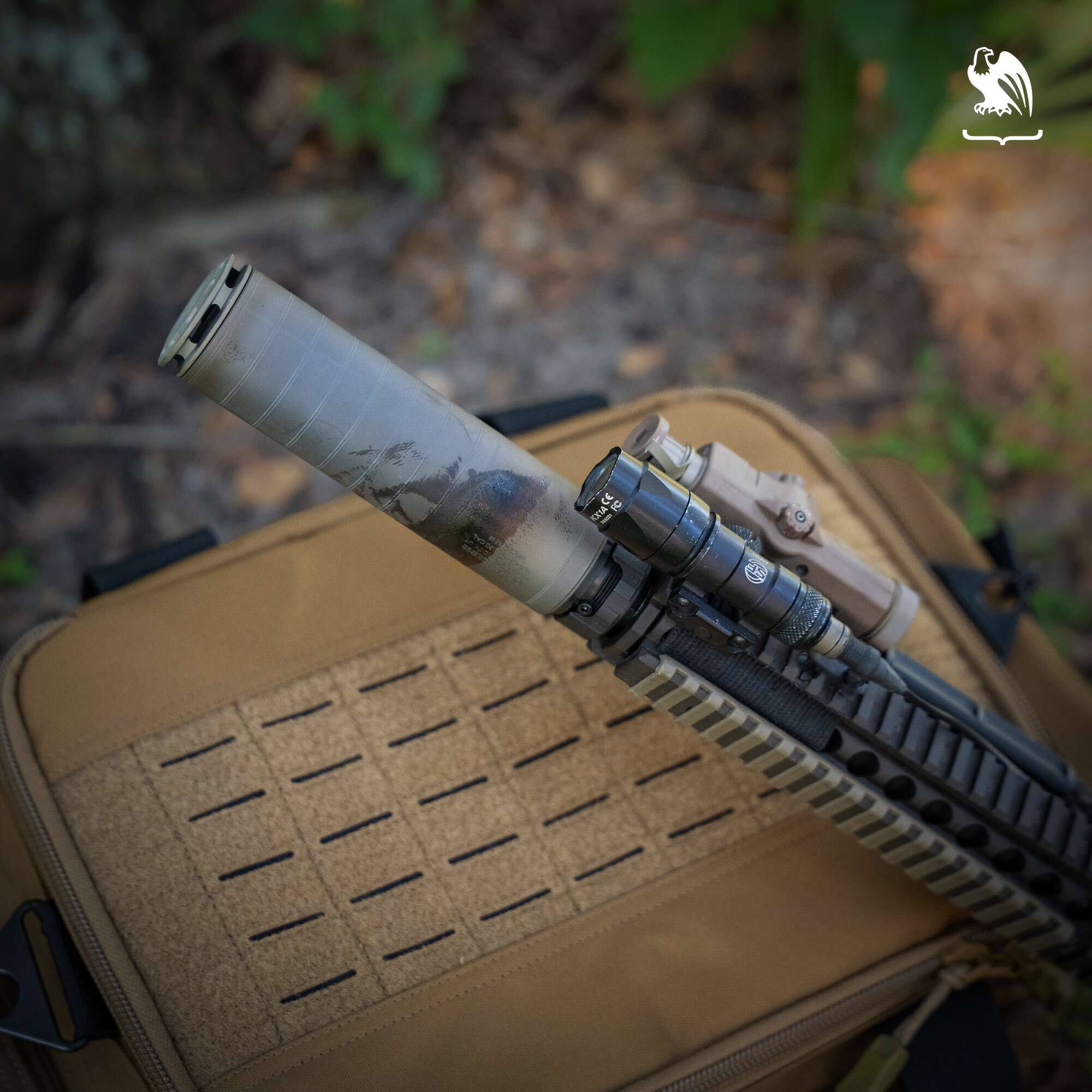
In short, the ATF is choosing not to enforce certain NFA rules on items that are no longer subject to tax stamps, including suppressors (silencers), short-barreled shotguns, short-barreled rifles, and “any other weapons.”
Prior to the changes that went into effect this year, if you wanted to buy one of these items, you had to submit an ATF Form 4, submit to a background check and fingerprinting process, pay a $200 tax stamp, and wait for federal approval before you could acquire it.
The $200 tax stamp was eliminated at the beginning of this year. And now, these items are essentially being treated like an ordinary firearm rather than making buyers go through an extended process.
Here’s what changed in a nutshell:
- Individuals no longer have to apply for and receive approval from the ATF to purchase, make, or transfer these items.
- These items no longer need to be registered with the ATF.
- The sale of these items should now be processed by licensed dealers following standard Gun Control Act (GCA) policies.
If you’re still confused about what exactly the new ATF rules apply to, you’re not alone. So, here is how they are defined by the NFA:
Silencer: Any device that is designed for “silencing, muffling, or diminishing” the sound of a bullet being fired from a gun. This also includes the “combination of parts, designed or redesigned, and intended for use in assembling or fabricating a firearm silencer.”
Short-barreled Shotgun: A shotgun modified to have an overall length of less than 26 inches or a barrel length of less than 18 inches.
Short-barreled Rifle: A rifle with a barrel less than 16 inches long, OR a weapon made from a rifle that was modified to have a barrel less than 16 inches long or an overall length of under 26 inches.
Any Other Weapon: This term includes:
- “A weapon or device capable of being concealed on the person from which a shot can be discharged through the energy of an explosive.”
- “A pistol or revolver having a barrel with a smooth bore designed or redesigned to fire a fixed shotgun shell.”
- “Weapons with combination shotgun and rifle barrels 12 inches or more, less than 18 inches in length, from which only a single discharge can be made from either barrel without manual reloading.”
- “Any such weapon which may be readily restored to fire.”
What Hasn’t Changed?
As important as it is to know how the ATF’s policy has changed, it’s equally important to understand what hasn’t changed.
The ATF outlines five points to keep in mind:
- Anyone engaged in the business of manufacturing, importing, or dealing in any of these items is still required to pay occupational taxes on all NFA firearms and devices.
- Machine guns and other destructive devices are NOT included in the policy updates and are still very much regulated by the NFA.
- All Gun Control Act policies still apply.
- Because GCA restrictions are still applicable, anyone transporting short-barreled rifles and short-barreled shotguns should continue to file Form 20s, even if the firearms are not registered in the National Firearms Registration and Transfer Record, while the ATF works on new regulations.
- Although federal policies have changed, they do not overrule state or local laws regarding these weapons. Make sure you brush up on the laws where you live!
Is There a Catch?
Although the ATF’s new policy is exciting to many, keep in mind that the judge’s ruling technically only applies to the businesses and organizations included in the lawsuit against the bureau.
While the ATF has decided to stop enforcing its NFA regulations nationwide, it’s important to remember that this decision is currently a voluntary one.
This means that the rules could easily change again, with little to no notice. If Congress were to impose a new tax on NFA firearms, for example, we could wind up right back at square one. The ATF could reinstate the previous rules, or the court’s decision could even be overturned.
To make matters more uncomfortable, if this were to happen, the ATF says any unregistered items purchased while the restrictions were lifted would not necessarily be “grandfathered in.” If the new policy were to be rolled back, these items would have to be registered and could even be subjected to taxes after all.
There are still a lot of uncertainties. So, before you rush to buy a suppressor or two, make sure you understand and weigh the risks. We are not lawyers, so make sure you do your own research before making or buying any of the items in question.
You can read the ATF’s open letter here, and get answers to frequently asked questions here.