The $200 NFA Tax Stamp on Suppressors, Other Weapons is Gone: What That Means for Buyers

When the One Big Beautiful Bill Act was signed into law on July 4, 2025, a lot of big changes came with it. Among provisions directed at the military, public lands, and immigration came a major win for the 2A community: The elimination of a federal tax stamp on the sale of certain regulated firearms and accessories.
So, what changed, exactly?
As of January 1, 2026, buyers are no longer required to pay the $200 tax stamp imposed on some items regulated by the National Firearms Act (NFA), including suppressors, short-barreled shotguns (SBSs), short-barreled rifles (SBRs), and “any other weapons” (AOWs).
Not only is the change making these devices more affordable for law-abiding gun owners, but it has also led to organizations advocating for fewer restrictions on these items in a push for Second Amendment rights.
What is the NFA Tax Stamp?
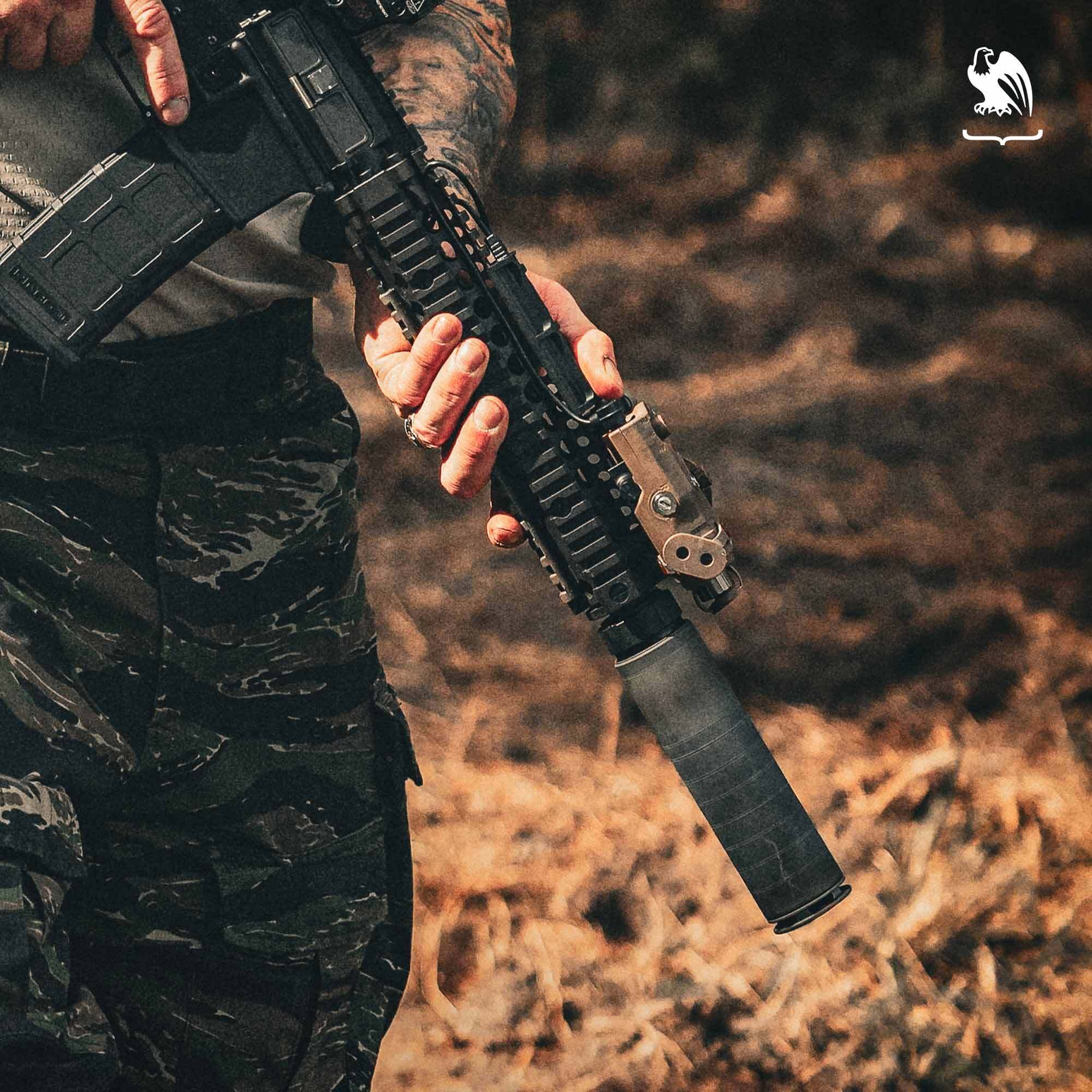
In order to fully understand the significance of these changes, it’s important to have a solid background on the NFA, the suppressor tax stamp, and how we got here in the first place.
According to a Congressional Research Service report, the National Firearms Act was established in 1934 to regulate and impose tax rates on the making or transfer of certain firearms. At the time, Congress set a fixed $200 tax stamp on these weapons, which had to be paid by the buyer before they could acquire the item. The act also charges a special occupational tax to most people “engaged in the business of importing, manufacturing, or dealing in NFA weapons.”
But when Congress first introduced the NFA, it was motivated by more than tax revenue. In fact, the $200 tax stamp, which cost about the same as the average machine gun in 1934, was introduced to discourage the purchase of these items altogether in an effort to reduce crime, according to the ATF.
In addition to taxing the sale and manufacturing of these devices, the NFA requires a background check for purchases and maintains a central registry that includes the firearm’s ID, date of registration, and the name and address of the owner.
What Changed, and What’s the Big Deal?

Photo by Jason Demo (@jasondemo)
Essentially, all that changed when the law went into effect on January 1, 2026, is that anyone who goes to purchase a suppressor, SBR, SBS, or AOW can do so without having to pay the $200 tax that was previously required.
Beyond that, the rest of the process is the same. You still have to submit an application to the ATF, pass a background check, and wait to be approved before you can get your hands on these items. All other NFA regulations are also still firmly in place – including the registration of these firearms and the special occupational tax paid by those in the business – as is the $200 tax stamp that applies to machine guns and destructive devices.
The One Big Beautiful Bill’s major advantage to buyers is simply a $200 savings, which is about half the cost of an inexpensive suppressor. It’s a change that goes a long way toward making these devices more accessible for those who want or need them for noise reduction, recoil management, or hunting. It’s also just one less barrier for law-abiding citizens exercising their Second Amendment rights.
Which Items Are No Longer Being Taxed?
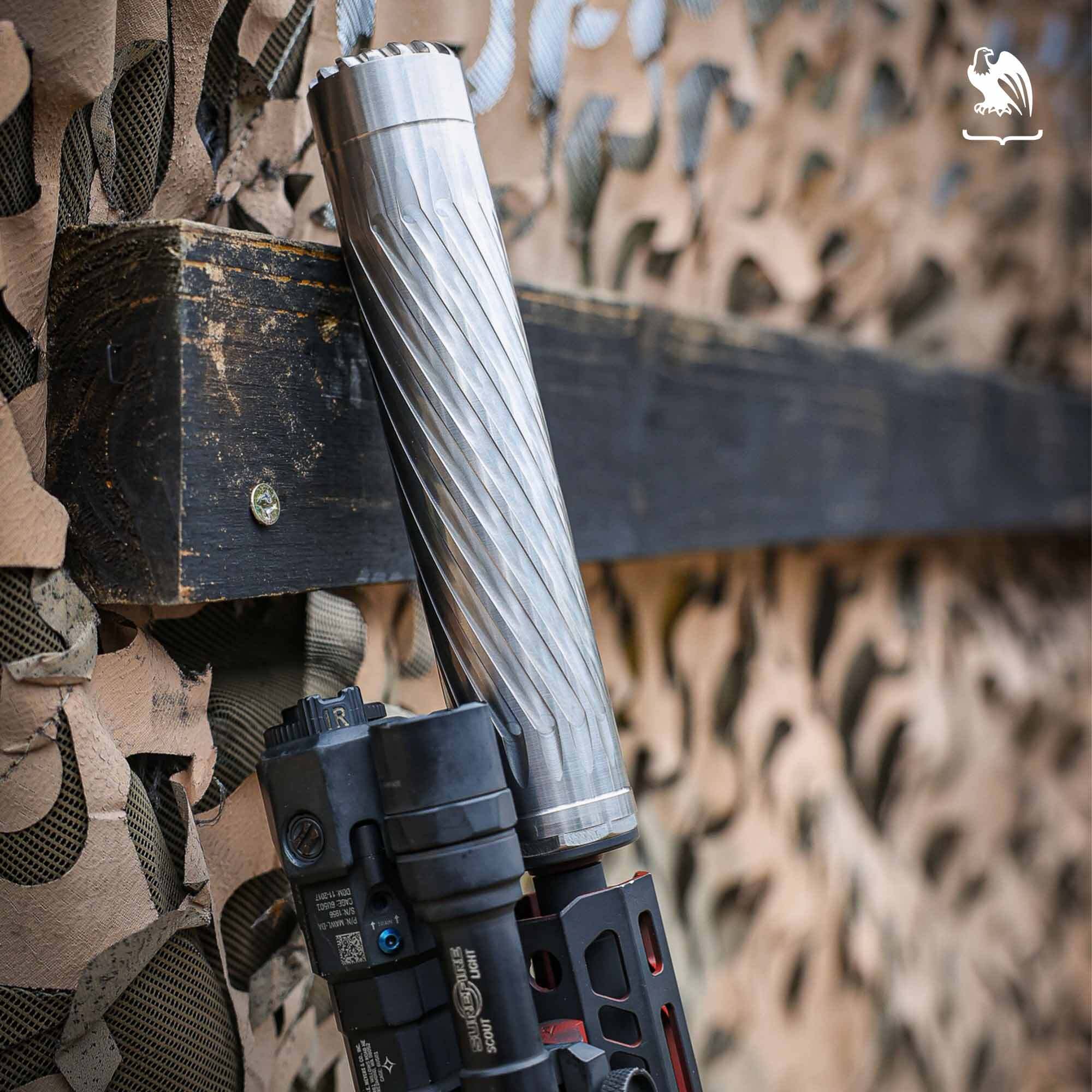
Although we’ve already listed out the items no longer being taxed by the NFA – suppressors (silencers), short-barreled shotguns, short-barreled rifles, and “any other weapons” – the specific devices these terms refer to can be a bit confusing.
So, here is how they are defined by the NFA:
Silencer: Any device that is designed for “silencing, muffling, or diminishing” the sound of a bullet being fired from a gun. This also includes the “combination of parts, designed or redesigned, and intended for use in assembling or fabricating a firearm silencer.”
Short-barreled Shotgun: A shotgun modified to have an overall length of less than 26 inches or a barrel length of less than 18 inches.
Short-barreled Rifle: A rifle with a barrel less than 16 inches long, OR a weapon made from a rifle that was modified to have a barrel less than 16 inches long or an overall length of under 26 inches.
Any Other Weapon: This term includes:
- “A weapon or device capable of being concealed on the person from which a shot can be discharged through the energy of an explosive.”
- “A pistol or revolver having a barrel with a smooth bore designed or redesigned to fire a fixed shotgun shell.”
- “Weapons with combination shotgun and rifle barrels 12 inches or more, less than 18 inches in length, from which only a single discharge can be made from either barrel without manual reloading.”
- “Any such weapon which may be readily restored to fire.”
What Happens Next?: NFA Lawsuit
Although they widely agree that the elimination of the $200 NFA tax is a win, there are groups of Second Amendment businesses and organizations that say it isn’t enough.
As of this writing, two lawsuits have been filed against the ATF in federal district court on the grounds that its continued regulation of these now untaxed firearms under the NFA is unconstitutional. Both lawsuits, filed on July 4, 2025, and August 1, 2025, claim that since Congress created the NFA using the Taxing Clause, it no longer has the right to regulate these weapons now that they aren’t being taxed.
Additionally, they argue that suppressors, SBRs, SBSs, and AOWs are all considered “arms” and should be protected by the Second Amendment, making federal regulation and registration of these items a violation of the Constitution.
In its opposition to the lawsuit that was filed on August 1, the Department of Justice counters that the NFA regulations are still valid now that the One Big Beautiful Bill was passed for a number of reasons. First, it argues that although the $200 making and transfer tax has been eliminated, the NFA’s special occupational tax for manufacturers and dealers of these devices is still in place, so Congress’ use of the Taxing Clause is still valid.
The DOJ also stated that the registration of these weapons is justified under the Commerce Clause and the Necessary and Proper Clause, and that the named devices are not protected by the Second Amendment and are “uniquely dangerous weapons” that are “particularly susceptible to criminal misuse,” making the NFA’s regulation of them “consistent with this nation’s historical tradition.”
Both lawsuits are still making their way through the federal court system, and time can only tell what the outcome will be.
Summary
Now that the “One Big, Beautiful Bill” has gone into effect, buyers are no longer required to pay the $200 NFA tax that has been required for suppressors, SBRs, SBSs, or AOWs since 1934. While this is a major step forward for 2A rights, some groups are advocating for the NFA to deregulate these items altogether, calling its continued oversight unconstitutional.
Looking for a reliable, custom-fit holster? Visit our Holsters by Gun Model page to find Kydex holsters tailored to your firearm. Not sure which holster is right for you? Take a look at our interactive comparison tool to view holsters side-by-side and filter by feature. Plus, explore our Resources Page for gear recommendations, concealed carry guides, and exclusive content to elevate your carry system.
*This page contains affiliate links. When you purchase a product included on this list, we receive a commission at no extra cost to you.
