Is .380 Good for Self-defense? What You Need to Know
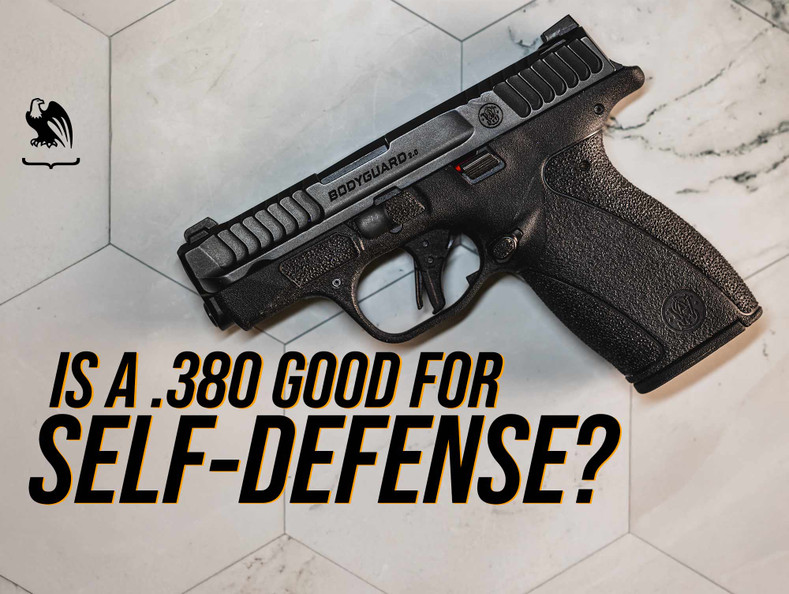
There has been large debate in the gun community for years about whether the .380 ACP caliber is good for self-defense, or if it doesn’t quite pack the punch needed to be effective.
When you’re choosing a weapon for personal protection, it’s important to strike the right balance between stopping power and concealability, making the .380 an attractive option. But with so many opinions floating around, it’s reasonable to wonder: Is .380 a good self-defense round, or is it safer to stick with something a little larger, like a 9mm?
Using a .380 for self-defense is sufficient in most situations, and is widely considered the minimum caliber that should be used for this purpose. Although it has less stopping power than larger calibers, .380 pistols are often smaller and are less susceptible to over-penetration, making them a practical option for concealed carry.
That said, there is plenty to know about this round before determining whether it will be a good fit for your defensive needs. Let’s get into it.
How Effective is .380 ACP for Self-defense?
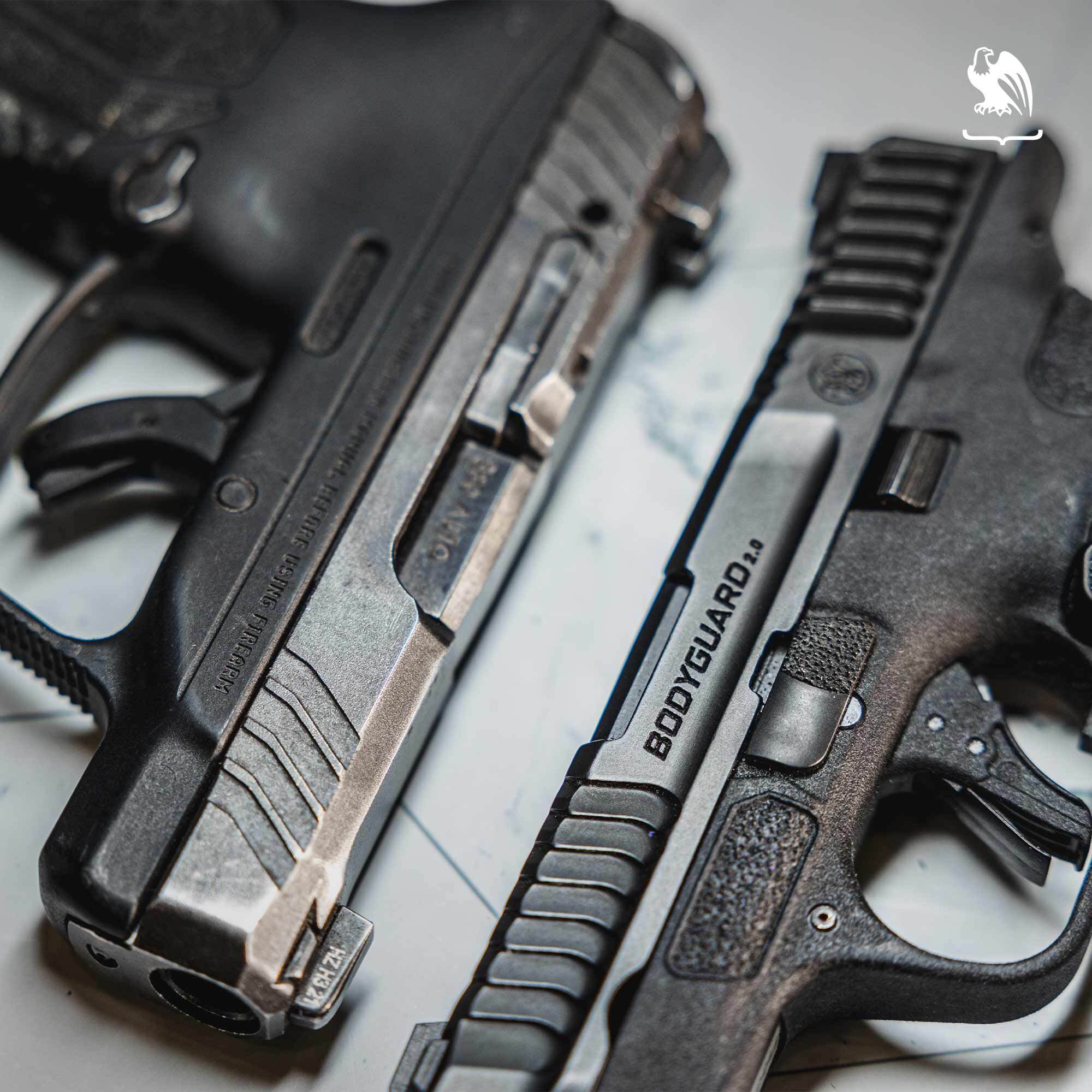
The .380 caliber is not without its pros and cons. While there are disadvantages to choosing a smaller caliber, there are also some benefits that make it worth considering. Let’s start with the most important factor when selecting a self-defense round.
Can a .380 Stop an Attacker?
First and foremost, when picking a weapon for self-defense, you need to ensure it can actually stop an attacker. So, is .380 enough?
In short, yes. Although there are those who would argue the .380 is too small and lacks the stopping power required for self-defense, this isn’t entirely true. According to the USCCA, .380 ACP can effectively stop an attacker at about 25–30 yards, which is more than enough for most defensive encounters. Of course, the 9mm is effective at about twice that distance, and its 350-400 foot-pounds of muzzle energy do make it much more powerful than the .380’s approximately 200 foot-pounds.
There’s no arguing that larger calibers like 9mm and .45 ACP have more stopping power and offer an advantage over the .380 in certain situations. However, that doesn’t mean the .380 ACP should be discredited as an option for self-defense. In fact, this smaller but still mighty caliber has several practical advantages over its larger counterparts.
Advantages of .380 for Self-defense
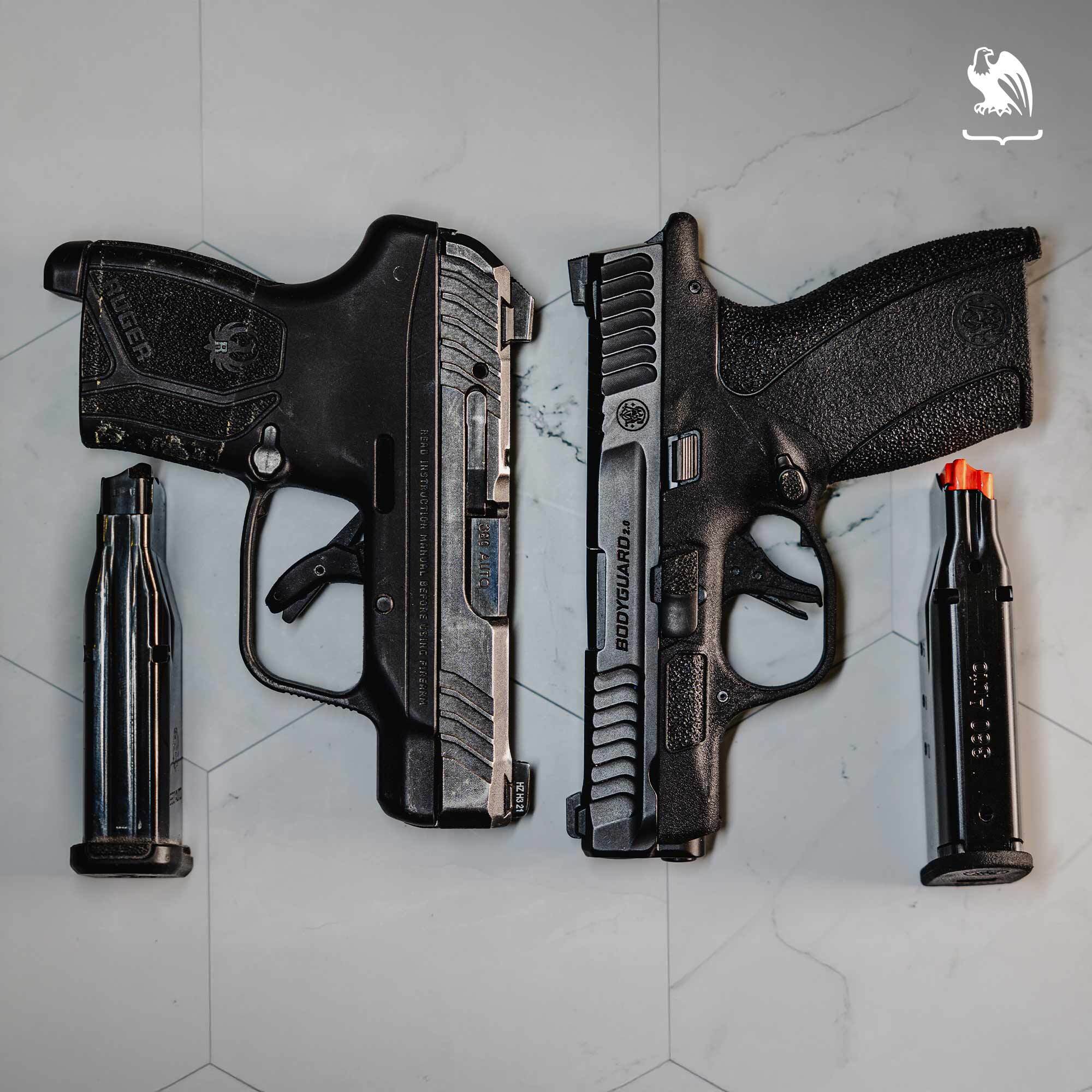
The .380 is one of the most popular calibers for self-defense, and understandably so. The main reason many people consider using a .380 in the first place is that these guns are often significantly smaller than larger calibers, making them easier to conceal and more comfortable to carry. And, despite their compact frames, the smaller size of the .380 cartridge usually means there’s room for the same, if not a larger, capacity as a 9mm.
With a .380, there’s also a reduced chance of over-penetration, which is when a bullet passes through its intended target and keeps going into whatever lies beyond. This can be appealing when thinking about concealed carry, although using hollow-point ammunition in your carry gun should reduce this risk anyway, even with a larger caliber.
While the above advantages to carrying a .380 may sound good, and they should, this caliber is not without a few downsides that may deter you from making it your primary carry weapon.
Disadvantages of .380 for Self-defense
Critics of the .380 will argue that the benefits of using this caliber for self-defense do not outweigh the risks. And it’s fair to say that if you’re going to bother to conceal carry, you may as well be prepared for any defensive situation that may come your way.
Although the smaller size of most .380s may be an advantage while carrying your pistol, it’s not necessarily a plus when you actually have to shoot it. People with larger hands may find a .380 difficult to grip, and therefore harder to control. An extended magazine floorplate can help with this problem, but may not fix it, depending on the size of the gun and the person.
Most people assume this smaller size means they will experience less recoil than with a larger caliber like a 9mm. But that’s not necessarily the case. In fact, because .380 pistols tend to be smaller in size, they often have a harder time absorbing the force of the shot, resulting in a snappier, stronger recoil. There are plenty of other factors that influence a gun’s recoil, of course, so this isn’t necessarily the case with every .380 handgun, but it’s something to keep in mind as you shop around.
Additionally, while the .380 can stop an attacker at around 25–30 yards, which should be enough for most defensive encounters, greater accuracy and force at a longer distance can only be an advantage. With the 9mm being effective at around 50 yards, it’s a no-brainer for many.
Along the same lines is the issue of penetration. The smaller .380 may have a lower risk of over-penetration, but what about under-penetration? In the event you need to shoot through a barrier, like a car door, or you’re dealing with an attacker wearing thick layers of clothing at a farther distance, this could be problematic. And for many, it’s just not worth the risk.
Choosing Quality .380 ACP Ammunition
If there’s one thing experienced shooters know, it’s that not all ammunition is created equal. When it comes to .380 rounds, the right ammo can mean the difference between actually stopping an attacker and simply wounding them.
No matter what caliber you’re carrying, high-quality hollow point ammunition is a must. Hollow point bullets are designed to expand on impact, which helps prevent over-penetration and creates a larger wound. This is especially important with lighter rounds like the .380, as this wider wound channel does some serious damage and helps make up for its lesser stopping power.
As with most things in this world, quality matters when selecting ammo. You want to find something that will be accurate and reliable. Cheaper plinking ammo is fine for the range, but it’s worth investing in a box of quality defensive ammunition to use for everyday carry.
Is .380 ACP Right For Me?
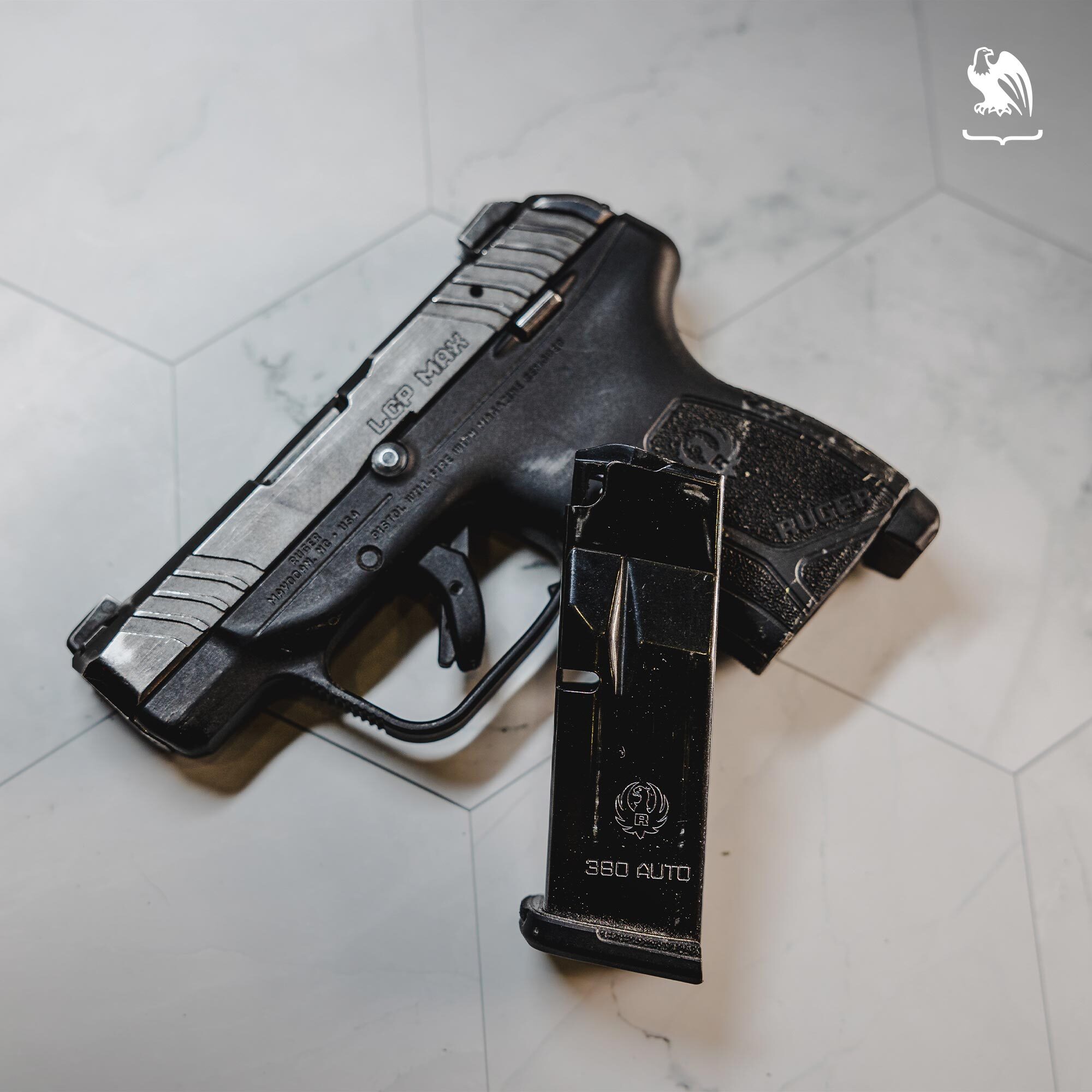
Using a .380 for self-defense is a good option for most situations, and even has several advantages over larger calibers. But it’s also important to consider its limitations before committing to it as your primary carry weapon.
At the end of the day, .380 ACP is a viable option for self-defense. But whether it’s the best choice for you largely depends on your priorities. It’s hard to argue that a 9mm is preferable if you’re strictly looking for a weapon that will be useful in the large majority of situations. But if you find concealing these often larger weapons difficult, the .380 may be a more practical choice.
Rest assured that no matter which caliber you choose, with the proper ammunition, holster, and training, you will be prepared to defend yourself. And that’s really what matters in the end.
Looking for a reliable, custom-fit holster? Visit our Holsters by Gun Model page to find Kydex holsters tailored to your firearm. Not sure which holster is right for you? Take a look at our interactive comparison tool to view holsters side-by-side and filter by feature. Plus, explore our Resources Page for gear recommendations, concealed carry guides, and exclusive content to elevate your carry system.
